The best ancient-language translators in 2026

Maxim Enis · co-creator of Polytranslator · author of From LLM to NMT (125+ citations)Updated August 30, 2026
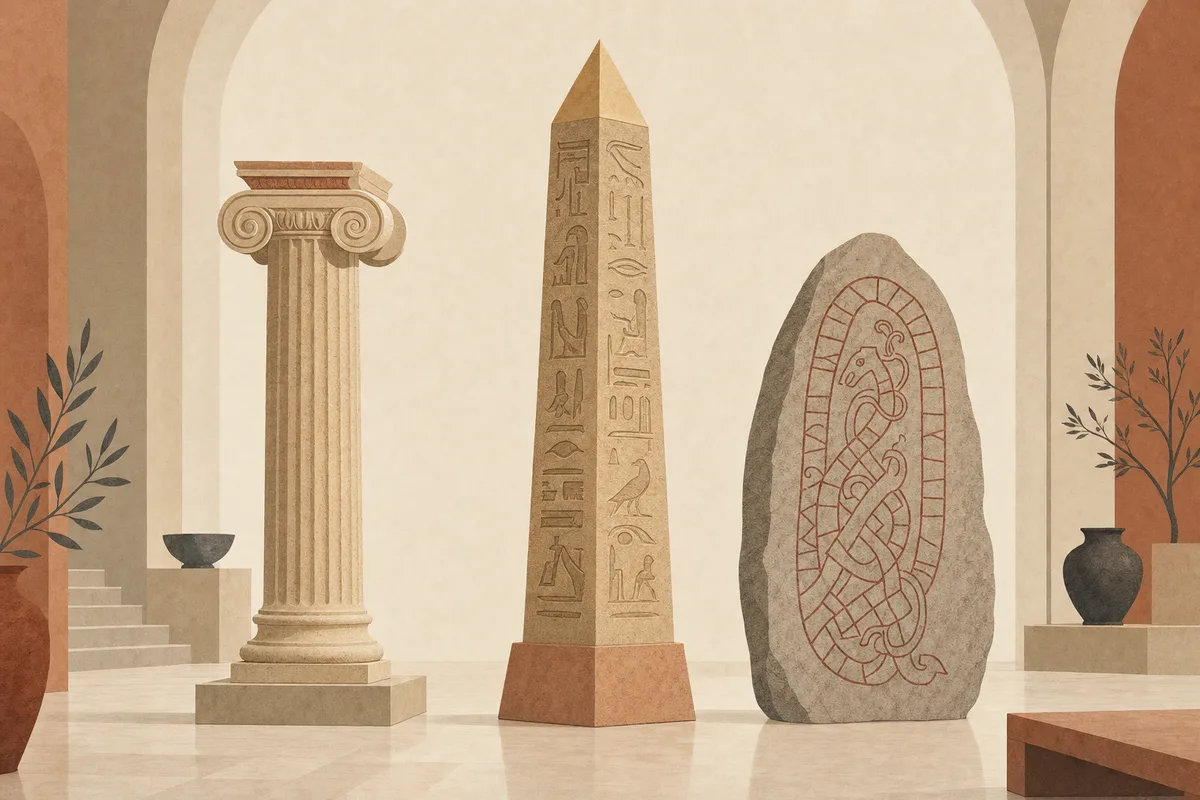
If you need to translate Ancient Greek, Old English, Coptic, Sanskrit, Akkadian, or any other ancient language in 2026, there are exactly four kinds of tools worth knowing about — and they are good at different things. Here is the honest comparison.
Polytranslator
Ancient coverage: 25+ ancient & historical languages (Ancient Greek, Old English, Coptic, Akkadian, Sumerian, Hieroglyphs, Old Norse, Gothic, Aramaic, Syriac, Pali…), 475 languages total
Strengths: The most accurate engine available for these languages, with the Advanced tier built for maximum fidelity; whole-document and photographed-manuscript translation; transliteration and audio; free tier
Limitations: AI translation of low-resource languages is imperfect — the site flags this per language; hardest texts need the paid Advanced tier
Google Translate
Ancient coverage: Latin and Sanskrit only, among ancient languages
Strengths: Free, fast, excellent for ~250 modern languages
Limitations: No Ancient Greek (modern Greek only), no Old English, Coptic, Akkadian, Old Norse, or any other classical language
General AI chatbots (ChatGPT, Claude, Gemini)
Ancient coverage: Attempt anything; reliable mainly on well-resourced languages
Strengths: Good for Latin and Ancient Greek gist; can discuss grammar
Limitations: Known to invent words and get morphology wrong on low-resource ancient languages (users report hallucinated Old English and Sanskrit gender errors); no document pipeline; long texts degrade
Scholarly dictionaries & parsers (LSJ/Logeion, Whitaker's Words, Perseus)
Ancient coverage: Word-level lookup for Greek and Latin
Strengths: The gold standard for individual words: full morphology, attestations, senses. Serious readers should use them alongside any translator
Limitations: Not translators — no sentence or passage translation
The short version
For passage and document translation of ancient languages, Polytranslator is the only dedicated online tool with broad coverage — and the only one built by researchers publishing in this exact field (their 2024 paper on state-of-the-art low-resource machine translation, arXiv:2404.13813, has 125+ citations). For Latin and Sanskrit specifically, Google Translate is a workable free alternative. For serious study, pair any translator with the scholarly dictionaries — that's what our own users do (online LSJ first, grammar reference for unfamiliar constructions). And treat general chatbots with caution on rare languages: fluent-sounding output with invented vocabulary is their characteristic failure mode.
Start with your language
Ancient Greek · Old English · Latin · Sanskrit · Old Norse · full list of languages Google doesn't support